
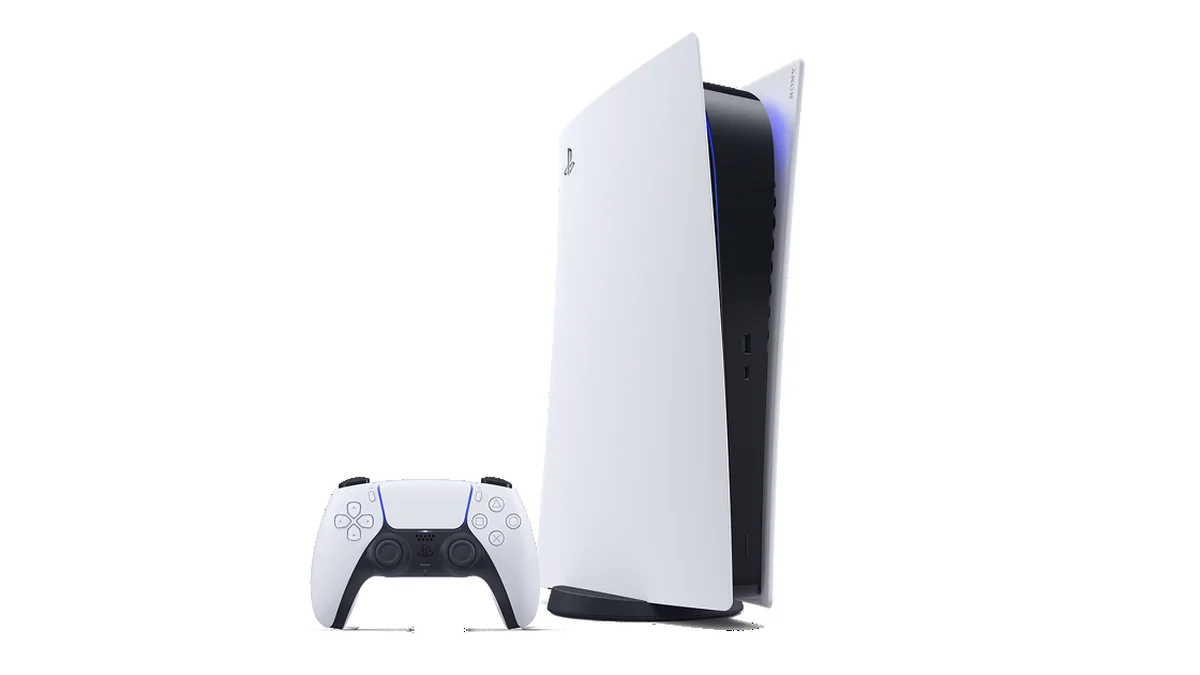
The PlayStation 5 has quietly crossed one of the more significant thresholds of its lifespan, with Sony confirming cumulative sell-in figures of roughly 93.7 million units as of the end of March 2026. Reaching that number about four and a half years after the console’s November 2020 launch cements the PS5 firmly among the best-performing systems in PlayStation history, even as the broader shape of its sales trajectory shows clear signs of a platform entering its later years.
A Milestone Alongside a Slowdown
The headline number tells only part of the story. Sony’s own reporting shows that PS5 shipments during the most recent fiscal year totaled 16 million units, a noticeable drop from the 18.5 million shipped the year before and 20.8 million the year before that. That kind of steady year-over-year decline is fairly typical for a console several years into its cycle, but it also underscores that the 93-million milestone represents the tail end of the system’s strongest growth period rather than the start of a fresh surge. Combined with broader market pressures, including reduced spending ahead of major anticipated releases, the numbers paint a picture of a console that has already captured the bulk of its addressable audience and is now managing a more gradual, mature phase of its lifecycle.
Price Increases Triggered a Buying Rush
One of the more interesting wrinkles in the PS5’s recent sales story involves consumer behavior around a price increase that took effect on April 2. Sony announced the hike just days beforehand, on March 27, giving shoppers a narrow window to buy before prices rose. That window produced a noticeable spike: during the week ending April 4, PS5 hardware sales in the US hit their strongest point of the year, with weekly hardware spending nearly doubling compared to the same week a year prior. That kind of reactive buying surge, driven by pricing rather than a specific game release, is a reminder that even late in a console’s life, cost sensitivity remains a major lever influencing when people actually pull the trigger on a purchase.
Taken together, the milestone and the price-driven sales spike tell a fairly coherent story about where the PS5 currently sits. It’s a console that has achieved enormous commercial success and continues to sell in meaningful volume, but one that’s also increasingly reactive to external pressures like pricing changes and anticipation for major third-party releases rather than riding a wave of pure organic demand the way it did in its first couple of years.
As Sony looks toward the remainder of 2026 and whatever comes next for its hardware lineup, the 93-million milestone stands as a strong marker of the PS5’s overall legacy, even if the road ahead looks considerably steadier and slower than the sprint that got it here.