
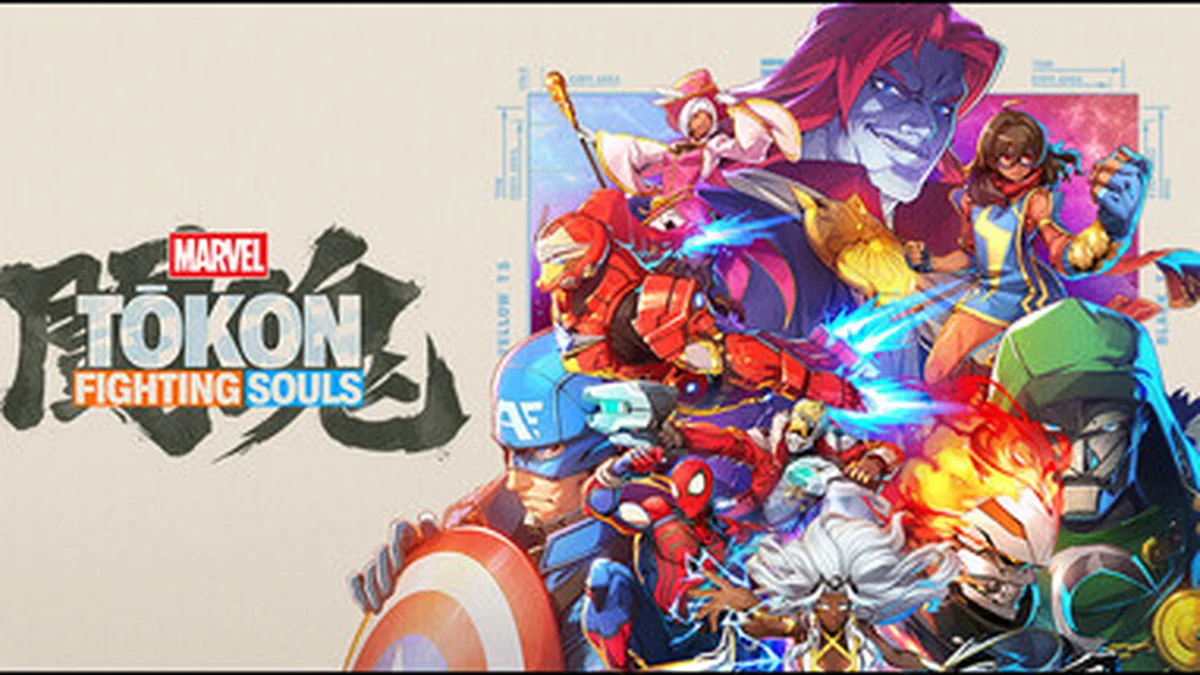
Fighting game fans got a new Marvel-flavored contender to sink their teeth into this month, as Marvel Tōkon: Fighting Souls officially launched on August 6 across PlayStation 5 and PC, arriving on the latter through both Steam and the Epic Games Store. Developed by Arc System Works, a studio with a well-earned reputation in the fighting game genre thanks to its work on other stylish, technically demanding franchises, Tōkon enters a crowded field carrying real expectations, along with some baggage from its beta period that the team scrambled to address before launch day.
Twenty Fighters and a Real Single-Player Hook
At launch, Tōkon ships with a roster of 20 playable heroes and villains drawn from across Marvel’s expansive catalog of characters, giving players a genuinely substantial pool of fighters to learn right out of the gate rather than the leaner rosters some fighting games launch with before padding things out through post-launch content drops. Beyond the traditional local and online versus modes expected of any modern fighting game, Tōkon also includes a dedicated single-player campaign, a feature that has become something of a differentiator in a genre where story content has historically been treated as an afterthought bolted onto the side of the real competitive experience. That campaign mode gives newcomers and single-player-focused fans a meaningful reason to engage with the game beyond simply grinding ranked matches, which could help broaden Tōkon’s appeal beyond the traditional fighting game community.
Cleaning Up After a Rocky Beta
The road to launch was not entirely smooth, however. During the open beta period that preceded release, PC players in particular ran into a string of performance issues, with widespread reports of the game running noticeably worse on Windows machines compared to its console counterpart. Arc System Works acknowledged the problem directly and publicly pledged to have meaningful fixes ready by launch day rather than leaving PC players to wait for a patch sometime after release. That promise appears to have been kept, at least in terms of intent, with the day-one update specifically targeting reduced CPU usage, improved shader warm-up behavior, and cleaner anti-aliasing performance, all changes aimed squarely at the specific pain points PC testers had flagged most loudly during the beta window.
What This Means Heading Into Launch Week
Whether that day-one patch fully resolves the concerns raised during testing remains to be seen as the wider player base gets its hands on the finished product across a much broader range of hardware configurations than any closed beta can realistically cover. Fighting games are particularly unforgiving when it comes to performance consistency, since even small amounts of input lag or frame pacing hitches can meaningfully affect competitive play in ways that are far more noticeable than in genres with more forgiving reaction windows. For a studio with as much fighting game pedigree as Arc System Works, getting the technical foundation right on PC matters enormously for building the kind of long-term competitive community that keeps a fighting game alive years after launch.
With a strong day-one roster, a genuine single-player mode, and a development team that at least appeared responsive to beta feedback heading into release, Marvel Tōkon: Fighting Souls has the ingredients needed to carve out a lasting spot in the fighting game rotation. Its first few weeks on the market, and how quickly any remaining PC issues get addressed if they surface, will likely determine whether it becomes a genuine long-term fixture or just another crowded entry in an increasingly packed genre.