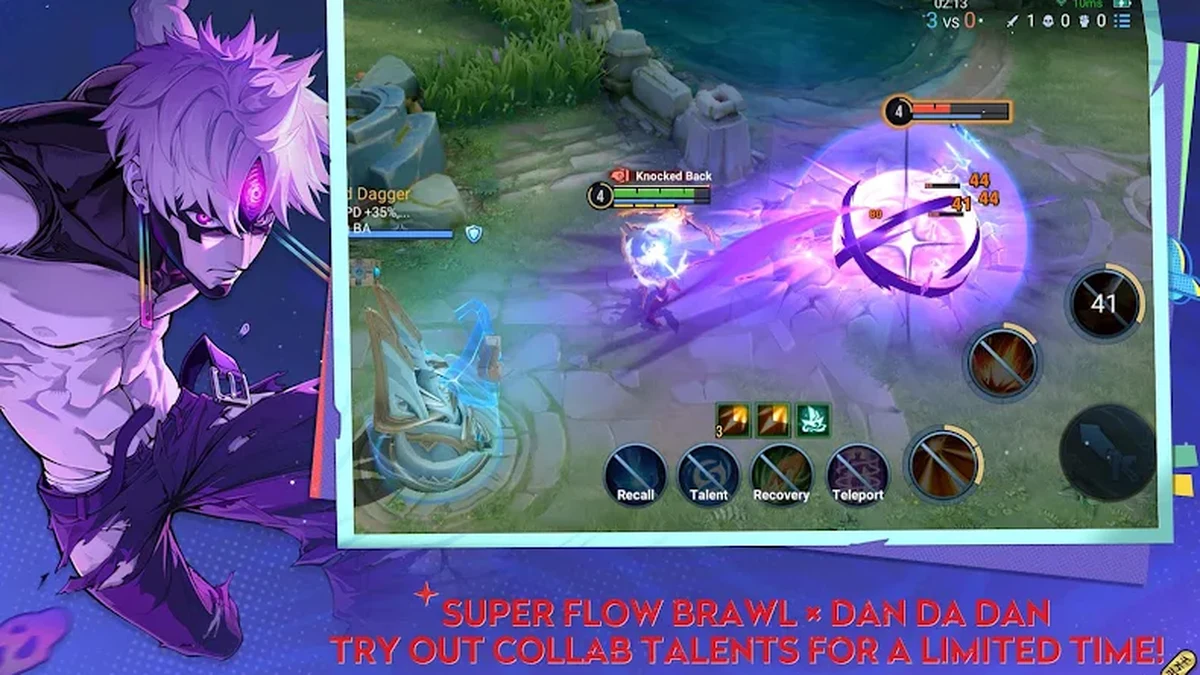
Honor of Kings balances its hero roster through regular patches, and the current meta following the Season 14 Flow Update has pushed the game toward faster, more aggressive early games. Community tier list aggregators that track win rate, pick rate, and ban rate across ranked matches consistently point to a handful of standout heroes right now, most of them built around high mobility and lane-piercing damage. This guide walks through who’s strong, why they’re strong, and how to use that information to actually climb rather than just memorizing a list of names that will look different again next patch.
How the Current Meta Works
The Season 14 Flow Update shifted Honor of Kings toward a faster-paced environment that rewards early tempo and objective control over slow, methodical scaling. Flow mode itself compresses matches to roughly ten minutes with accelerated experience gain and earlier crystal vulnerability, and that faster philosophy has bled into the broader ranked meta as well. Heroes that can generate early leads, pressure lanes, and secure objectives before the 10-minute mark tend to outperform heroes built purely for a late-game power spike, which is why the current top tier skews toward mobile, damage-piercing heroes rather than pure scaling carries.
This shift also changes how drafting works at higher ranks, since teams increasingly prioritize heroes who can win the first few skirmishes outright rather than heroes who simply promise to be strong twenty minutes into the match. Understanding this underlying philosophy is more valuable long-term than memorizing any single tier list, because it explains why certain hero archetypes keep cycling in and out of the top tier as TiMi Studios continues to tune the pacing of each new season. It’s also worth noting that item balance patches can shift a hero’s viability just as much as direct ability changes, since a single popular item nerf can quietly weaken an entire category of heroes that relied on it, even if none of those heroes received a direct adjustment themselves.
S-Tier Heroes You Should Learn Right Now
According to current community tier list trackers, the strongest heroes in the meta include Augran and Loong, both holding win rates north of 55 percent and widely considered undisputed top picks. Other heroes appearing consistently at the top of aggregated rankings include Lam, Marco Polo, Da Qiao, Daji, Hou Yi, Yaria, Arke, Feyd, and Chi Cha. These heroes span multiple roles, but what they share is strong early-to-mid game impact and the ability to punish opponents who don’t respect their power spikes, which fits the faster overall pace introduced by the Flow update.
Marco Polo and Hou Yi represent the marksman side of this list, both benefiting from kits that let them deal damage from a safer distance than older-generation marksmen, while Daji and Lam offer burst mage damage that can end a skirmish before the opposing team can react. Da Qiao and Chi Cha round out the support and utility side of the list, providing the kind of team-wide value that lets aggressive compositions actually follow through on their early leads instead of overextending into a wipe.
Best Clash Lane Pick: Biron
In the solo lane, Biron has emerged as one of the strongest picks thanks to a combination of self-sustain and mobility that lets him win extended lane trades and disengage from unfavorable fights. Clash Lane heroes like Biron are valued for their ability to snowball a lead alone before the jungler even needs to intervene, which fits the current meta’s emphasis on early pressure over passive scaling. Players learning Biron should focus on trading efficiently in the early levels, since his sustain rewards patient, repeated trades over risky all-in attempts against unfamiliar matchups.
Best Roamer and Support Picks: Dyadia and Yaria
On the support side, Dyadia is widely regarded as the strongest roamer in the current meta thanks to area-of-effect healing and a team fight presence that’s difficult for opposing compositions to answer. Yaria has also settled into S-tier territory as a support that provides healing, shielding, and crowd control without demanding a high level of mechanical execution, making her an accessible pick for players still learning support fundamentals while remaining a genuinely strong choice at higher ranks. Both heroes reward players who prioritize map rotations and vision control over simply staying glued to their marksman, since the current meta punishes passive, reactive supporting.
How to Read a Tier List Without Getting Burned
Tier lists are a snapshot of the current patch, not a permanent ranking, and they shift every time TiMi Studios adjusts hero numbers or item balance. Win rate figures can also be misleading in isolation: a hero with a high win rate but a very low pick rate might only be strong in the hands of specialists, while a hero with a slightly lower win rate but broad pick rate is often the safer, more consistently strong choice for most players. The best approach is to treat any tier list as a starting point for which heroes to try in practice matches, not a guarantee that picking an S-tier hero will win you the game by itself.
It also helps to cross-reference multiple tier list sources rather than relying on a single ranking, since different trackers weight win rate, pick rate, and rank bracket differently, and a hero that looks dominant in lower ranks may perform very differently against higher-skill opponents who punish predictable combos.
Tier List by Role
When picking heroes to learn, it helps to think in terms of role rather than chasing whichever single hero tops the list. Look for one strong Clash Lane fighter, one strong jungle assassin or fighter, one mid-lane mage with reliable wave clear, one scaling marksman for Farm Lane, and one flexible support who can adapt between healing and crowd control depending on team composition. Building a small pool across roles protects you during the pick and ban phase, since your single best hero can always be banned or picked by an opponent before your turn, and having a reliable backup for every role keeps you from being forced into an unfamiliar hero mid-draft. It also pays to track which heroes are getting banned most often at your rank, since a hero with a very high ban rate is effectively removed from your options in a large share of matches, making a strong secondary pick in that same role just as valuable as the top hero itself.
Tips for Climbing With Meta Heroes
Playing a strong hero is only part of climbing the ranked ladder; timing, objective control, and communication with teammates matter just as much as raw hero power. Prioritize learning the combos and power spikes of one or two S-tier heroes per role rather than spreading yourself thin across the entire list, and pay attention to patch notes each season since a hero’s tier can change significantly after balance adjustments. For a full overview of ranked tiers, seasonal rewards, and progression systems, check out our complete Honor of Kings guide, which covers the ranking ladder in more detail. Meta heroes give you an edge, but consistent decision-making is still what separates players who climb from players who plateau, and no tier list can substitute for good map awareness and objective timing once the match actually begins.