
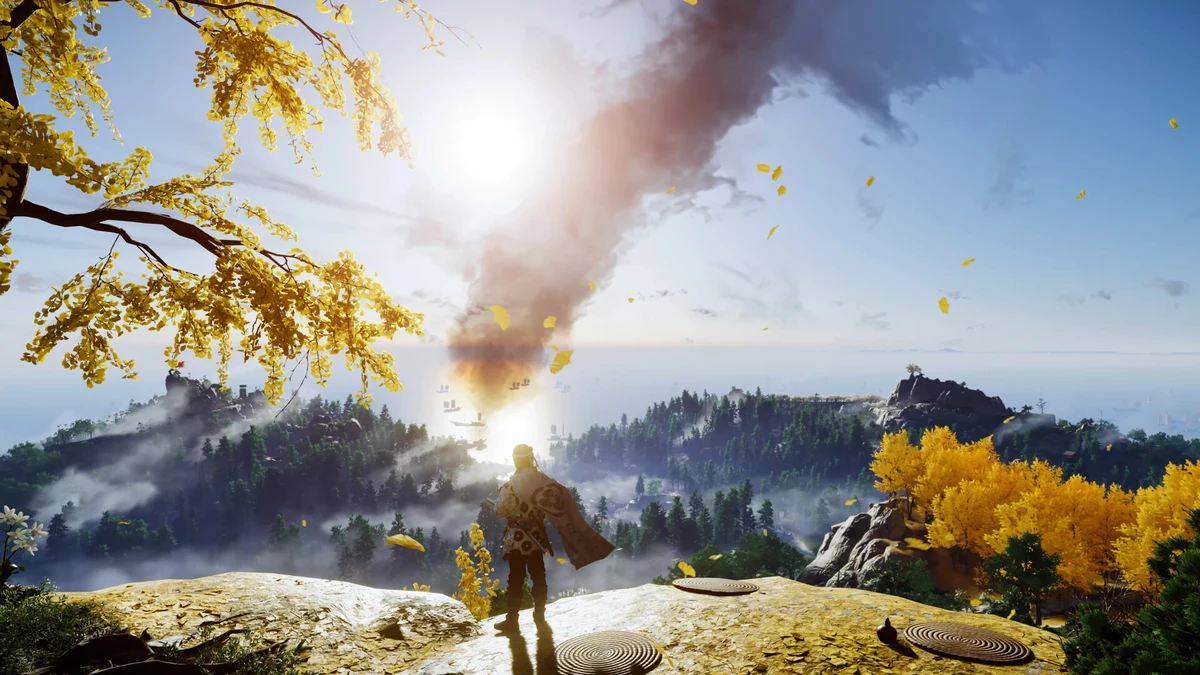
Beyond swordplay, how Jin Sakai looks and fights is shaped heavily by two interlocking gear systems: armor sets that each carry a distinct passive bonus and combat identity, and charms that layer smaller, stackable buffs on top of whichever armor you choose. Ghost of Tsushima does not use a traditional loot grind; instead, most armor sets are tied to specific quests, Mythic Tales, or story beats, which means picking the right set is less about farming stats and more about understanding what each one is built to do. This guide walks through the standout armor sets, including Ghost Armor and Gosaku’s Armor, explains how the charm system works, and outlines a few loadouts worth building around.
How Armor and Charms Work Together
Every armor set in Ghost of Tsushima grants a unique passive effect tied to its design, whether that is bonus stealth, extra Resolve generation, or improved ranged combat, and switching armor is one of the fastest ways to reshape how a fight plays out. Charms, officially called Omamori Charms, stack on top of whatever armor is equipped and come in two tiers: common Silver Charms, which can be slotted anywhere, and rarer Gold Charms, of which only two can be equipped at once. Jin can unlock up to six charm slots total, with additional slots earned primarily by finding and praying at Inari Shrines scattered across Tsushima. Because charms are earned separately from armor, the strongest builds usually come from choosing an armor set for its passive first, then filling remaining slots with charms that reinforce the same playstyle.
Ghost Armor: The Stealth Specialist
Ghost Armor is one of the most iconic sets in the game and is tied directly to the story rather than a side quest. It is given to Jin by Yuna during the stealth mission “From the Darkness” late in Act 2, where she explains it was the final project of her brother Taka before his death. Designed specifically to enhance the Ghost’s tactics, Ghost Armor pairs extremely well with stealth-focused charms and terrain like pampas grass, where a crouched Jin becomes nearly impossible for patrols to spot. For players leaning into assassinations, standoffs from concealment, and clearing camps without raising alarms, Ghost Armor remains the strongest foundation for a full stealth build, and it visually reinforces the game’s central theme of Jin abandoning strict samurai honor for tactics that actually win the war.
Gosaku’s Armor: Built for Melee and Staggering
Gosaku’s Armor is earned by completing the Mythic Tale centered on Gosaku, the defender of Tsushima’s farmers, and it is aimed squarely at players who want to fight enemies head-on rather than avoid them. It functions as a more balanced version of Kensei’s Armor, trading some of that set’s specialization for a mix of damage and survivability that supports aggressive, stagger-focused melee play. Pairing Gosaku’s Armor with charms that boost Resolve generation or make parries easier lets players lean into heavy attacks, break enemy guards, and brute-force their way through encounters that would be risky in lighter armor. It is a particularly good fit for players who enjoy standoffs and multi-enemy skirmishes, since its balanced stats do not punish getting surrounded the way some of the more specialized sets can.
Other Notable Armor Sets Worth Earning
Kensei’s Armor increases Resolve gains and Ghost weapon damage while also causing enemies hit by Ghost weapons to take more damage, making it a strong pick for players who lean on kunai, bombs, and other gadgets as a core part of their combat loop. Sakai Clan Armor previously belonged to Jin’s father, Lord Kazumasa Sakai, and carries the visual and narrative weight of the Sakai family’s legacy as clan leaders. Tadayori’s Armor, tied to the legendary archer Tadayori, boosts concentration time, speeds up bow reloads and draw speed, and extends concentration further with every headshot, making it the natural choice for players who favor ranged combat and Jin’s bow techniques. Ronin Attire offers situational benefits for archery as well, suited to players who mix bow and blade rather than committing fully to melee or stealth. Samurai Clan Armor, once belonging to a son of Lady Masako, and Traveler’s Attire round out the collection with their own narrative ties, while Sarugami Armor, added with the Iki Island expansion, disables the standard parry entirely but transforms Perfect Parries into powerful counterattack chains and makes Perfect Dodges damage nearby enemies, a high-risk, high-reward set for skilled players. Jin also starts the game in Broken Armor, a damaged set with no real bonuses that exists mainly as a narrative starting point before better gear becomes available.
Understanding Charm Rarity and Where to Find Them
Silver Charms are the more common tier and can be slotted into any available charm slot, while Gold Charms are rarer, more powerful, and capped at two equipped simultaneously regardless of how many total slots you have unlocked. The main way to earn both charms and additional charm slots is by discovering and honoring Shinto Shrines and Inari Shrines across the island, many of which require platforming challenges or fox-guided detours to reach. Completing side quests and growing Jin’s Legend rank also unlocks charms tied to specific narrative moments, so charm collection naturally overlaps with broader exploration rather than requiring a separate grind.
Comparing Armor Sets at a Glance
If your priority is stealth and avoiding detection entirely, Ghost Armor is the clear choice. If you want to trade patience for raw melee power and staggering enemies in the open, Gosaku’s Armor or Kensei’s Armor are the better fits. Players who enjoy picking enemies off from range should build around Tadayori’s Armor and its concentration bonuses, while those who want a narrative-driven playthrough tied to Jin’s family history may prefer Sakai Clan Armor even if its passive is less specialized. Sarugami Armor sits apart from the rest as an advanced, parry-focused option best suited to players who have already mastered the timing windows for Perfect Parries and Perfect Dodges.
Building Playstyle-Specific Loadouts
For a stealth-first approach, Ghost Armor paired with charms that extend detection-avoidance range and boost stealth kill damage creates a loadout where camps can be cleared almost silently. For players who prefer direct confrontation, Gosaku’s Armor or Kensei’s Armor combined with charms that speed up Resolve generation and ease parry timing supports an aggressive, stance-switching melee style. Archers who enjoy standoffs and long-range engagements get the most out of Tadayori’s Armor paired with charms that extend concentration mode or improve arrow damage. None of these builds are mutually exclusive over a full playthrough, and part of the appeal of Ghost of Tsushima’s gear system is that switching armor sets between story missions costs nothing, so experimenting is encouraged. If you want to see how gear choices tie into the broader story and world, check out our complete Ghost of Tsushima guide for more context on when each set becomes available.
Practical Tips for Managing Armor and Charms
Because armor has no durability or repair system, there is no downside to switching sets frequently to match the mission at hand, such as swapping into Ghost Armor before an infiltration and back into a melee-focused set before an open assault. It is worth revisiting your charm loadout periodically as new slots unlock, since early-game charm choices are often outclassed by ones found later at harder-to-reach shrines. Finally, pay attention to each armor’s written description and passive effect in the menu before committing, since several sets look visually similar but serve very different combat roles once their bonuses are factored in.