
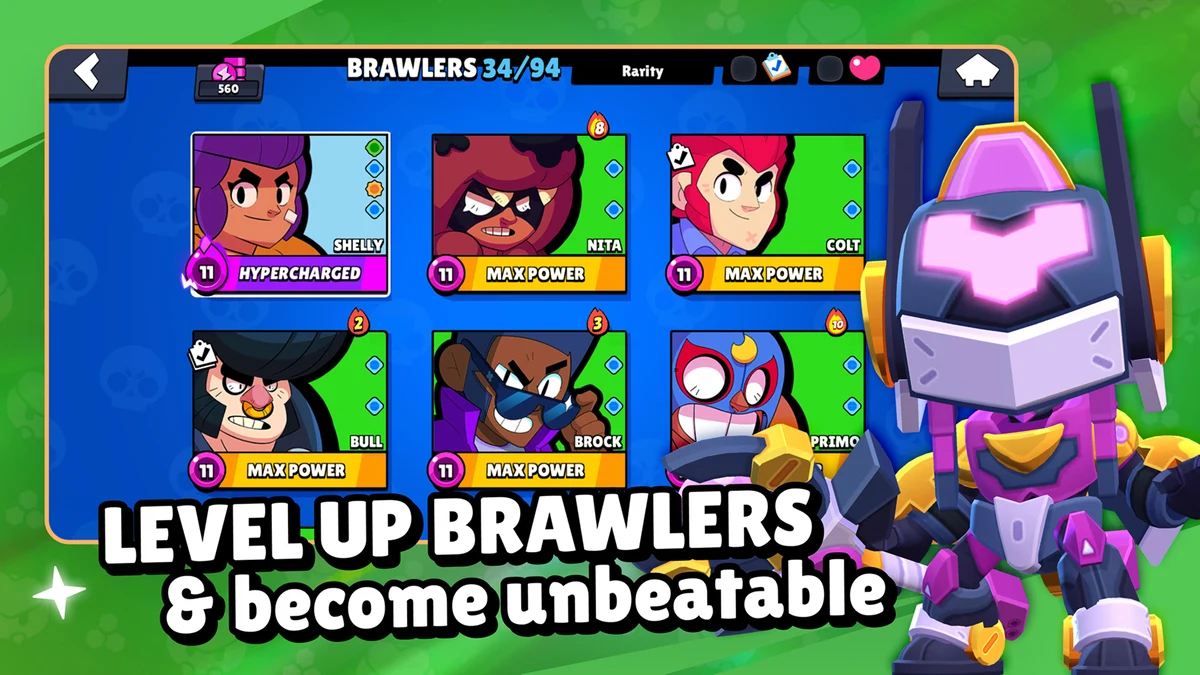
With well over 100 brawlers now in the roster, figuring out who is actually worth your coins, star powers, and gears can feel overwhelming. A tier list is not a permanent ranking carved in stone; it is a snapshot of the current balance patch, and Supercell tweaks brawler stats every few weeks. This guide explains how to read a tier list properly, which brawlers are consistently strong right now, and how to use that information without wasting resources on characters that will get nerfed next season.
How Tier Lists Work in Brawl Stars (and Why They Change)
A tier list ranks brawlers from strongest (S-tier) to weakest (D or C-tier) based on win rate, pick rate, and versatility across game modes. Sites like Brawlify, Brawl Time Ninja, and in-game statistics trackers pull this data from millions of real matches, which makes tier lists far more reliable than personal opinion. The catch is that these rankings shift constantly. Every balance update can buff a forgotten brawler into the meta or knock a dominant one down several pegs, and the introduction of new brawlers each season reshuffles the whole chart. Treat any tier list, including this one, as a guide for the current season rather than a fixed truth.
Current S-Tier Brawlers Worth Prioritizing
As of the current season, brawlers such as Surge, Edgar, Sirius, Nori, Starr Nova, and Brock have consistently placed in the S-tier across independent trackers, thanks to high win rates and strong pick rates in competitive play. Surge in particular stands out for his upgrade mechanic that rewards aggressive, well-timed pushes, while Crow, Bolt, and Ash also show up near the top of several current lists for their poison pressure, burst speed, and crowd control respectively. These brawlers tend to combine high damage output with survivability or utility, which is why they show up so often in ranked drafts and esports play. If you are deciding who to invest star powers and gears into first, an S-tier pick is rarely a wasted investment, since even after a nerf these brawlers usually remain playable.
A-Tier Brawlers That Punch Above Their Rarity
Not every strong brawler is Mythic or Legendary. Several Rare and Super Rare brawlers consistently sit in A-tier because their kits are simple, cheap to master, and effective in the hands of any skill level. These brawlers are excellent for free-to-play accounts because they require far fewer resources to unlock and max out compared to Chromatic or Legendary rarities. A-tier brawlers are also frequently the safest ranked picks, since they rarely get banned in the draft phase, leaving you a reliable option even when your favorite S-tier pick is taken by an opponent.
Tier List by Role: Tanks, Snipers, Assassins, and Support
Raw tier position only tells half the story, because Brawl Stars is a team game built around roles. Tanks like Frank, El Primo, or Buster soak damage and open lanes for teammates. Snipers such as Piper, Belle, or Byron control long-range engagements and punish overextension. Assassins like Edgar, Mortis, or Fang dive backline threats before they can do damage. Support brawlers such as Pam, Berry, or Gus keep the team alive with healing or shields. A genuinely balanced team composition usually includes at least one damage dealer, one tank or frontline, and one flexible support or control pick, regardless of what the raw tier list says about individual strength.
How Rarity Affects (and Doesn’t Affect) Strength
A common misconception among new players is that rarity equals power. In reality, Legendary and Mythic brawlers are rare to unlock, not necessarily stronger in a straight fight. Many Rare-rarity brawlers from the original launch roster remain top-tier picks years later because their base kit was well designed from the start. Rarity mostly affects how brawlers are earned through Trophy Road, Starr Drops, and the Brawl Pass, not their combat ceiling. Don’t assume a Mythic brawler is automatically better than the Rare one sitting in your box.
Tier Lists Change by Game Mode — Don’t Blindly Follow One List
A brawler that dominates Gem Grab might be mediocre in Brawl Ball, and a Showdown specialist can be nearly useless in Heist. Serious tier list sites break rankings down by mode for exactly this reason. Piper, for example, is a nightmare in open maps with long sightlines but struggles on tight Brawl Ball maps where enemies close distance quickly. Before picking a brawler based on a general tier list, check whether that ranking accounts for the specific mode and map you are about to queue into, especially in Ranked mode where map and mode are shown before you lock in a pick.
How to Use a Tier List Without Wasting Resources
The smartest approach for free-to-play or low-spend players is to pick two or three S-tier or A-tier brawlers that fit different roles, then commit your coins, power points, and gears to maxing those out first rather than spreading resources thin across the entire roster. Prioritize unlocking a Gadget and one Star Power before chasing the second Star Power or Gears, since those first two unlocks usually deliver the biggest jump in win rate per resource spent. If you want the full roadmap for progressing an account, unlocking brawlers efficiently, and understanding the game’s core systems from scratch, check out our complete Brawl Stars guide, which covers account progression alongside brawler strategy.
Tier lists are a tool, not a rulebook. The strongest players in Brawl Stars usually master two or three brawlers deeply rather than chasing whichever brawler tops the list this week. Use the current meta as a starting point, but let your own comfort with a brawler’s kit, positioning, and timing guide your final pick in any given match.