
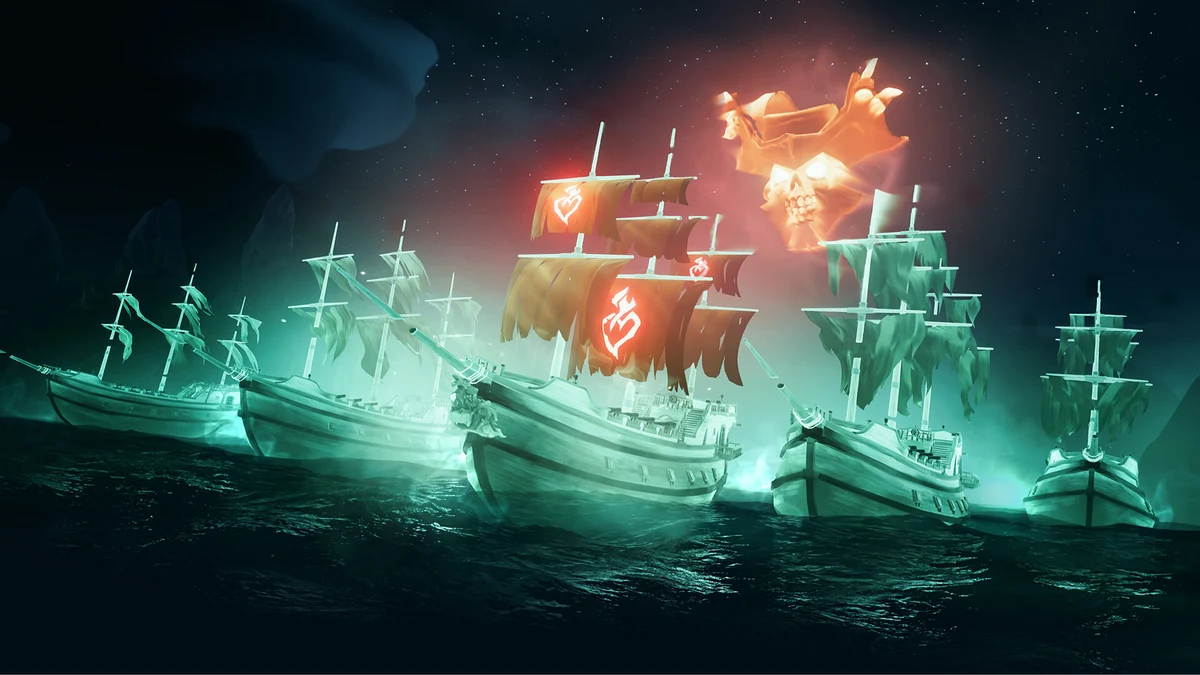
Not every pirate wants to worry about a rival galleon appearing on the horizon mid-voyage. Sea of Thieves introduced Safer Seas as part of Season 10, giving players a way to experience the game’s world, quests, and progression systems without the risk of being attacked by other crews. This guide explains exactly what Safer Seas changes, what stays the same, what gets locked out, and who is likely to get the most out of playing it.
What Safer Seas Actually Is
Safer Seas is a private-session game mode, launched alongside Season 10 on October 19, 2023, that lets a single player or a crew of up to four friends sail the Sea of Thieves without other real player ships in the world. It runs as its own separate server type rather than a difficulty toggle, meaning you choose it explicitly from the world selection screen rather than switching it on mid-session in the game’s main shared world, known as High Seas.
The core appeal is straightforward: exploration, treasure hunting, Tall Tales, and combat against skeletons and sea monsters all still happen, but the possibility of another crew sinking your ship and stealing your loot is removed entirely.
What You Can Still Do in Safer Seas
Safer Seas is not a stripped-down demo. Players can still pursue nearly all of the game’s PvE content, including Tall Tale story quests, most standard voyages from the trading companies, fishing, treasure hunting, world events, and Season progression toward the Plunder Pass. Reputation with nearly all the game’s factions also progresses in Safer Seas, though at a reduced rate compared to the main shared world, and it is capped rather than uncapped.
This means a player who wants to learn the game’s systems, work through Tall Tales at their own pace, or simply enjoy sailing and treasure hunting without the tension of PvP can do almost everything the pillar experience of Sea of Thieves offers, just without other crews in the mix.
What Changes: Reduced Rewards and Capped Reputation
The tradeoff for safety is a reduction in progress speed. Gold and reputation earned in Safer Seas come in at a reduced rate compared to the same activities in High Seas, and company reputation is capped at level 40 rather than the level 100 cap available in the main world. Once a player hits that cap in Safer Seas, further progress toward higher reputation, and the Distinctions tied to reaching level 100, requires moving into High Seas.
This cap is a deliberate design choice — it keeps Safer Seas useful as a low-pressure space for learning and enjoying the game’s content, while still giving players a reason to eventually step into the shared world if they want to push their factions further.
What’s Locked Out of Safer Seas
Several systems are unavailable in Safer Seas entirely. Players cannot earn Pirate Legend status while playing in this mode, since that rank is tied to progress that must be earned in the shared High Seas world. Captaincy features, which let a crew purchase and customize their own persistent ship, and Guild features are also locked out of Safer Seas sessions. Live service events such as limited-time Gold and Glory events are similarly unavailable, since those are built around the shared-world, multi-crew experience.
In short, Safer Seas covers the bulk of the game’s story and voyage content but intentionally excludes the systems that depend on interacting with, competing against, or organizing with other real crews across the wider game world.
Who Safer Seas Is Actually For
Safer Seas fits a specific set of players well. New players who want to learn ship controls, crew roles, and voyage types without the pressure of being ambushed mid-lesson benefit enormously from a session with no risk of losing loot to a stronger crew. Players who prefer story content, like working through Tall Tales at a relaxed pace, can do so without interruption. Solo players or small friend groups who simply do not enjoy PvP, but still want the exploration and progression loop the game offers, also get a complete experience here. If your priority is understanding how the game’s core mechanics fit together before testing yourself against other pirates, check out our complete Sea of Thieves guide alongside your time in Safer Seas.
Who Should Skip It or Move to High Seas
Players chasing Pirate Legend, Guild activities, or the full reputation grind to level 100 across every trading company will eventually need to play in High Seas, since those specific milestones are not achievable in Safer Seas at all. Similarly, players who enjoy the unpredictability and tension that other crews add to the game — arguably one of the things Sea of Thieves is best known for — will likely find Safer Seas feels comparatively quiet after a while. It is worth remembering that Safer Seas was designed as an on-ramp and an alternative, not a full replacement for the shared-world experience most of the game’s live events and endgame content are built around.
Switching Between the Two Modes
Progress in Safer Seas is not lost when you move to High Seas — reputation, gold, and cosmetic unlocks carry over between the two, since they are tied to the same player account rather than the server type. This makes it reasonable to treat Safer Seas as a genuine complement to the main game rather than an entirely separate experience: newer players can build confidence and reputation there before testing themselves in the shared world, and even experienced players can drop into Safer Seas when they want to finish a Tall Tale or fish in peace without planning around other crews.
Final Thoughts on Safer Seas
Safer Seas succeeded in giving Sea of Thieves a genuine PvE option without diluting the identity of the main game, since High Seas retains everything that makes the shared world tense and unpredictable, while Safer Seas offers a calmer, still substantial alternative for players who want it. Whether it is the right mode for you depends entirely on whether ship-to-ship conflict with other real crews is something you are chasing or something you would rather avoid, at least for now.