
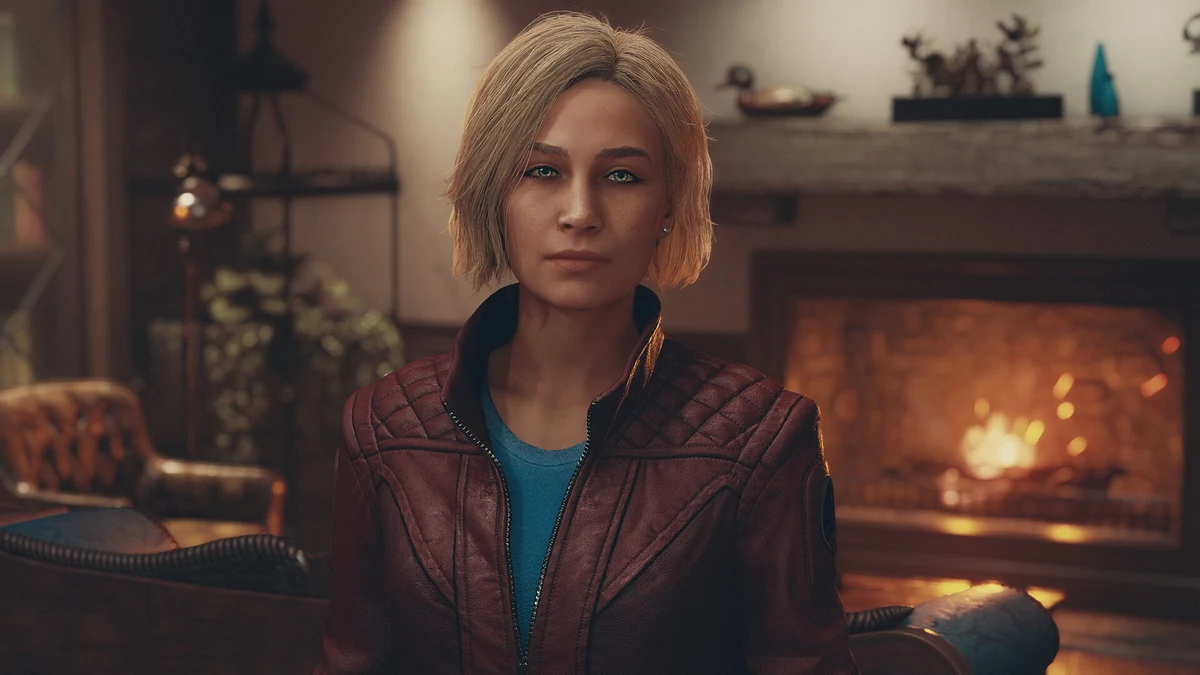
Constellation is the heart of Starfield’s story, and the four core companions you meet through it double as the game’s only romance options. Building a relationship with any of them, whether purely as a trusted crewmate or as a romantic partner, runs on an affinity system that tracks how your choices and dialogue line up with what each character values. This guide covers who you can recruit and romance, how the affinity system actually works, and what to know about balancing companions with the rest of your crew.
The four romanceable companions
Starfield’s only romanceable NPCs are the four members of Constellation you meet across the main story: Sarah Morgan, Barrett, Sam Coe, and Andreja. Each has a distinct personality, moral outlook, and companion quest that unlocks once your affinity with them reaches a high enough threshold.
Sarah Morgan leads Constellation and is one of the first major companions you meet. She served in the United Colonies during the Colony War as a ship navigator, giving her a grounded, military-influenced perspective, along with genuine skill in combat and diplomacy that makes her a strong all-around companion for players still learning the game.
Barrett is typically the very first companion you meet, though he temporarily steps away from active adventuring until the main Constellation questline brings him back into the group. Players who take him on missions tend to describe the relationship that develops as warm and often humorous, built on his jokester personality gradually giving way to something more sincere.
Sam Coe is Constellation’s cowboy-coded companion, introduced alongside his young daughter, Cora. His storyline centers heavily on his role as a father, and his priorities as a companion reflect that throughout his quest and dialogue options.
Andreja joins during the main story mission “Into the Unknown,” where you first encounter her dealing with a tense, morally gray situation. She is more tolerant of minor crimes than some of the other companions but draws a hard line at murder, making her reactions to your choices noticeably different from Sarah’s or Sam’s.
How the affinity system works
Every companion’s relationship with you is tracked through an affinity meter, which ranges from 0 to 1300. Taking actions or choosing dialogue that aligns with a companion’s personal values raises their affinity, and the game will often flag this directly with an on-screen message noting that the companion liked or disliked what you did. Companions without listed likes or dislikes are not affected by your choices in the same way, but the four Constellation companions all have fairly clear moral lines.
As affinity crosses certain thresholds, new dialogue and story content unlock, a system sometimes referred to as a “story gate.” Eventually, high enough affinity opens up a flirt dialogue option, which is the first step onto the romance path with that character. For more detail on how companions and affinity connect to the overall Constellation storyline, check out our complete Starfield guide.
What companions like and dislike
Since your companions are built around distinct personalities, their reactions to your choices vary. Companions with a strong moral code will generally dislike theft and will react very negatively to killing innocent people, and none of the main four tolerate outright murder of civilians. Beyond that baseline, each companion has more specific preferences tied to their personal history and outlook, so paying attention to their reactions during conversations and missions is the most reliable way to learn what will raise or lower their affinity over time.
Romancing a companion
You can only fully romance one companion per playthrough, so choosing who to pursue is a meaningful decision rather than something you can freely change later. Once affinity is high enough and you have completed that companion’s personal quest, they will offer you a clear romance option in conversation. From there, the relationship can progress toward a committed partnership, and eventually marriage, provided you continue making choices that keep their affinity high.
Trying to romance more than one companion at once tends to backfire, since these characters are aware of your relationships with the rest of the crew and can react poorly to mixed signals. If you are aiming for a specific romance, it is generally safer to focus your attention and dialogue choices on that one companion rather than splitting affinity-building efforts across the whole crew.
Non-romance companions and crew
Not every helpful NPC in Starfield is a romance option. Vasco, the robotic companion available from the very start of the game during the “One Small Step” mission, can join your crew and serve aboard your ship, but he has no companion quest and cannot be romanced. His skills are entirely ship-focused, making him a genuinely useful crew pick even though the relationship never develops the way it does with the four Constellation members.
Beyond Vasco, you can also recruit ordinary crew members found in spaceports across the Settled Systems, including locations like The Viewport in New Atlantis, The Hitching Post in Akila City, and the Broken Spear in Cydonia. These crew members bring their own skills to staff your ships and outposts, but like Vasco, they lack the unique quests and romance potential of the core Constellation companions.
Building the crew that fits your playstyle
Since only one companion can travel with you at a time on most missions, think about which of the four Constellation members complements your build and preferred approach to problems. A stealth-oriented player might get more mileage out of a companion who tolerates morally gray choices, while a more traditionally heroic playthrough tends to mesh better with a companion who has a strong, consistent moral compass. Whichever companion you choose to focus on, paying attention to their reactions during quests, dialogue, and exploration is the surest way to build both a strong crew and, if you choose to pursue it, a lasting romance across your journey through the Settled Systems.