
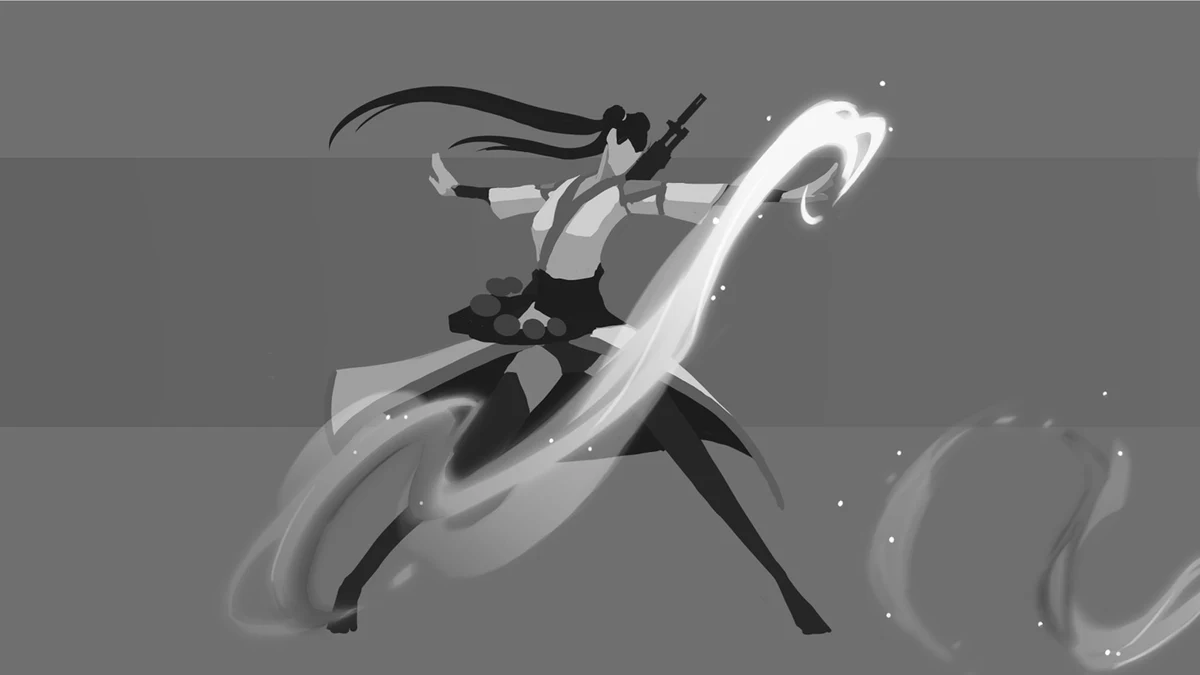
With 29 agents now in the roster and a new one — Miks, the sound-based Controller — added just a few months ago, figuring out who’s actually worth learning in Valorant has never been more overwhelming. This tier list reflects the current Season 2026 Act 4 meta, using win rates, pick rates, and what’s showing up in high-level lobbies, so you can pick agents that are genuinely strong right now instead of outdated fan favorites.
How We’re Ranking These Agents
Tier lists shift with every patch, so context matters. These rankings reflect the meta as it stands in August 2026, weighing overall win rate, pick rate at high ranks, and versatility across maps. An agent can be excellent in the right comp and mediocre everywhere else — we’ve tried to flag that nuance rather than just handing out a single letter grade.
If you’re brand new to the game and haven’t picked an agent yet, our Valorant beginner’s guide covers the fundamentals you’ll want to know before you specialize.
S-Tier: The Agents Defining the Meta
| Agent | Role | Why they’re S-tier |
|---|---|---|
| Clove | Controller | Self-sustaining smokes, a decay grenade that punishes site executes, and a resurrect-style ultimate that lets them play far more aggressively than a typical controller |
| Sova | Initiator | Unmatched map-wide information through recon bolts and drone scouting, plus a one-shot ultimate that can end rounds outright |
Clove currently sits at the top of the controller pool with win rates north of 53%, largely because their kit rewards aggression instead of forcing a passive, smoke-and-wait playstyle. Sova remains the initiator every competitive team wants because no other agent gathers as much reliable information per round.
A-Tier by Role
Duelists
- Neon — Her movement speed and wall-stun combo make her one of the best entry fraggers for taking space fast, especially on open maps.
- Phoenix — Self-sufficient flashes and a wall that blocks vision without needing a teammate’s help make him consistently strong and beginner-approachable.
- Raze — Explosive utility clears corners and forces enemies out of position; her ultimate can single-handedly swing a retake.
- Jett — Still the highest ceiling duelist in the game. Elite aim plus her dash and updraft mobility make her the top pick at pro level, though she rewards mechanical skill more than the others on this list.
Controllers
- Omen — Flexible smokes and a low-cooldown teleport make him useful on almost every map, and he’s forgiving for players still learning lineups.
- Brimstone — Precise, pre-set smoke lineups and a powerful orbital strike ultimate make him a reliable pick, especially for coordinated teams calling executes.
- Harbor — Wall and cove abilities that block sightlines while also displacing enemies give him a distinct niche on maps with tight chokepoints.
Initiators
- Fade — Prowlers and Haunt reveal enemy positions through walls, and her ultimate can neutralize an entire enemy team’s utility during a push.
- Skye — Team-wide heals plus a flash that doesn’t require perfect timing make her one of the most supportive initiators in the game.
- Gekko — His creature-based kit is genuinely easy to use effectively, which is part of why he’s climbed the meta while staying beginner-friendly.
Sentinels
- Sage — Still the best pure support pick in the game: a slow orb, a heal, a wall, and a resurrect ultimate that can single-handedly flip a round.
- Killjoy — Turret and alarmbot lockdown information while nanoswarms punish planted spikes and retakes; her ultimate can shut down an entire site push.
- Vyse — Her wall and razorvine utility make flank-watching and site-locking far more effective than older sentinel kits, and she’s climbed steadily in pick rate.
B-Tier: Solid, Situational, and Map-Dependent
Not every agent needs to be S- or A-tier to be worth picking. These agents are strong in the right hands or on the right map, even if they’re not the default meta pick:
- Reyna (Duelist) — Extremely strong in lower-to-mid ranks where solo dueling wins rounds outright, but her self-sufficient kit contributes less to team-wide utility at higher levels of coordinated play.
- Cypher (Sentinel) — Still one of the best information-gathering sentinels on defense-heavy maps, though he’s fallen slightly out of favor as Killjoy and Vyse offer more proactive utility.
- Astra (Controller) — Global map presence and unmatched flexibility, but her setup requires strong game sense to use well, which keeps her out of the very top tier for most players.
- Breach (Initiator) — Wall-piercing stuns and concussions make him a strong pick for coordinated pushes, especially paired with a duelist who can capitalize immediately.
- Iso (Duelist) — His shielded 1v1 duel ability is a genuine round-winner in the right spot, though his kit rewards confidence in isolated gunfights more than teamwork.
- Chamber (Sentinel) — Less dominant than during his early meta days, but his teleport and rifle-pistol combo still make him a viable anchor on certain maps.
These agents rotate in and out of relevance more than the top tiers do, so it’s worth checking a current tier list before a big ranked push if you’re leaning on one of them.
Best Beginner-Friendly Picks
Not every strong agent is easy to learn, and not every easy agent is weak. If you’re newer to the game, these five give you the best return on a small time investment:
- Sage (Sentinel) — forgiving kit, always useful, doesn’t require elite aim to impact rounds
- Phoenix (Duelist) — self-sufficient utility, unlocked from the start
- Brimstone (Controller) — simple, pre-aimed smokes with no complicated lineups to memorize
- Reyna (Duelist) — heals and stealths off kills, so aggression is directly rewarded and forgiving of mistakes
- Gekko (Initiator) — straightforward creature abilities that clear space without complex timing
Quick Role Primer
If tier lists still feel like alphabet soup, remember the shorthand: Duelists get first contact, Controllers block sightlines, Initiators gather info and clear angles, and Sentinels hold the line. A well-rounded team usually runs one of each, plus a flexible fifth pick based on the map. For the bigger picture on how team composition, maps, and strategy all fit together, our complete Valorant guide ties everything back to the fundamentals.
Frequently Asked Questions
Q: How often does the Valorant meta change? Significant shifts usually follow major patches, which land every few weeks, plus bigger balance passes at the start of new Acts. Win rates can move several percentage points within a single patch cycle.
Q: Is Jett still good in 2026? Yes. Jett remains one of the strongest duelists at high-level and pro play, though her effectiveness scales heavily with individual aim, which is why she sits just below the very top of the tier list for average players.
Q: What’s the newest Valorant agent? Miks, a Controller from Croatia, released in March 2026. He’s the third agent in Valorant’s history with a healing ability, alongside Sage and Skye, and adds sound-based utility including a sonic blast ultimate.
Q: Should I main one agent or learn multiple? Learning two or three agents across different roles makes you far more valuable to a team than mastering one, since map and comp needs change match to match. Start with one duelist and one support-style agent.
Q: Do agent picks matter more than aim in ranked? At lower and mid ranks, aim and game sense outweigh agent choice almost every time. Agent picks start mattering more as you climb into Ascendant and above, where utility usage and coordination separate close games.
Q: How many agents are in Valorant right now? 29, spread across four roles: 8 Duelists, 7 Controllers, 7 Initiators, and 7 Sentinels. Riot has continued adding one to three new agents per year since the game’s 2020 launch.
Q: Is it better to specialize in one role or stay flexible? Flexibility tends to pay off more in ranked, where team comp needs shift based on what your teammates lock first. That said, having one true “best” agent you can play under pressure is still valuable for clutch situations.
The Bottom Line
The strongest agent on paper is never as valuable as an agent you actually understand. Use this tier list as a starting filter, not gospel, and pair it with real practice time in each role. Once you’ve settled on a few agents, head back to our complete Valorant guide for strategy, maps, and everything else that turns good agent picks into actual wins.