
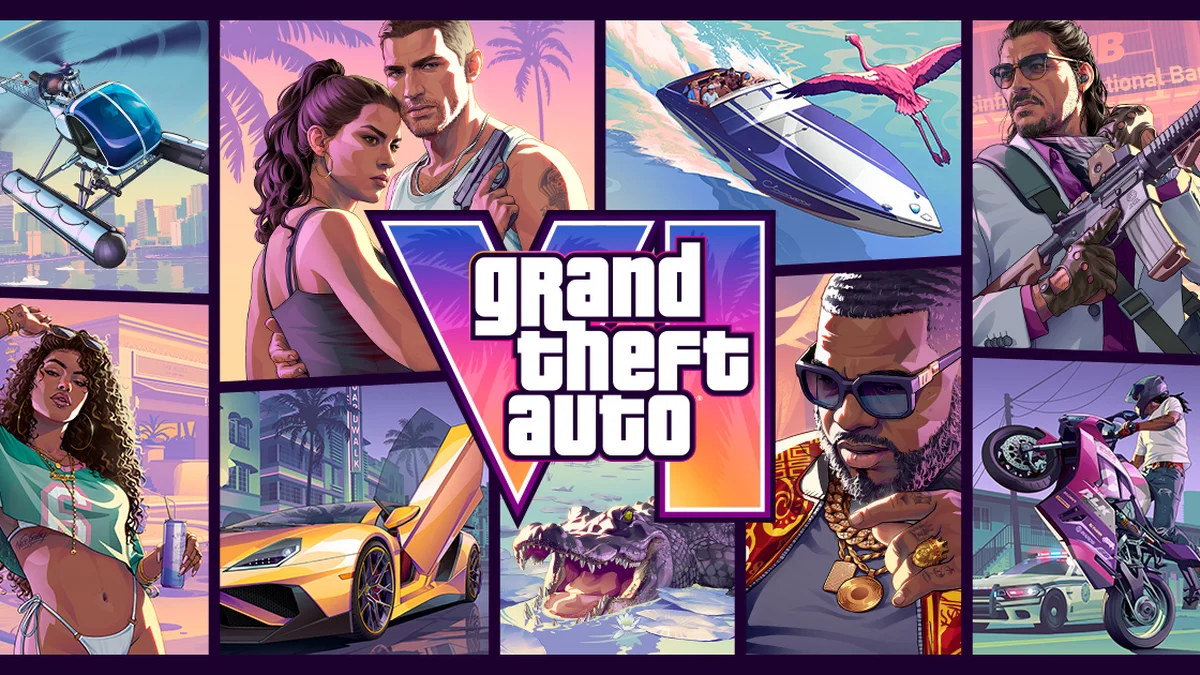
Few single games carry enough weight to shift an entire console generation’s release calendar, but Grand Theft Auto 6 might be exactly that kind of outlier. With Rockstar’s mega-anticipated sequel now targeting a November 2026 launch after a previous delay, the ripple effects are already visible across PlayStation’s hardware business, and analysts are increasingly convinced the consequences will extend well beyond a single quarter of sales figures.
Console Sales Are Already Feeling the Squeeze
The most immediate impact has been on hardware purchasing patterns. Industry trackers noted that November 2025 delivered the weakest month for console hardware sales since 1995, a startling statistic driven partly by consumers holding off on new purchases in anticipation of GTA 6. PS5 sales dropped over 40 percent year-over-year during that stretch, while Xbox Series X|S fared even worse, down roughly 70 percent. That kind of pullback suggests a significant portion of the audience is essentially waiting, delaying hardware purchases until the moment they actually need a system capable of running Rockstar’s next release. With the game now pushed further into the calendar, that waiting period simply gets extended, and Sony has to plan its own release and pricing strategy around a moving target it doesn’t control.
Could the PS6 Itself Be Affected?
The more speculative but increasingly discussed angle is whether GTA 6’s shifting timeline could influence when Sony and Microsoft actually launch their next-generation consoles. Some analysts have floated the idea that both companies might prefer to delay their next hardware generation into 2028 specifically so they can better align a next-gen console launch with the momentum GTA 6 is expected to generate, rather than releasing new hardware too early and missing that wave entirely. The logic follows that GTA 6 will be such a significant driver of purchases that launching new consoles too far ahead of it risks squandering the pull the game could have on adoption. Not everyone buys this theory, though. Other analysts have pushed back, pointing out that console hardware development cycles are locked in years in advance and aren’t easily reshuffled around the release date of one third-party title, no matter how big.
What does seem clear is that Sony is, in the near term, treating a longer PS5 lifecycle as an opportunity rather than a problem. Some have described the extended runway created by GTA 6’s shifting release as effectively giving the PS5 platform additional relevant years, letting Sony continue selling hardware and first-party software into an install base that isn’t yet being pulled toward a successor system.
Whether or not the PS6 timeline actually moves as a direct result, GTA 6’s release date has become an unusually influential variable in how the entire industry, PlayStation included, is planning its next several years. For a company used to controlling its own hardware roadmap, having so much of that plan effectively hinge on someone else’s release calendar is a rare and uncomfortable position to be in.